Technical Information Technical information

Vacuum Deposition Technology / Sputtering Technology Technical Detail
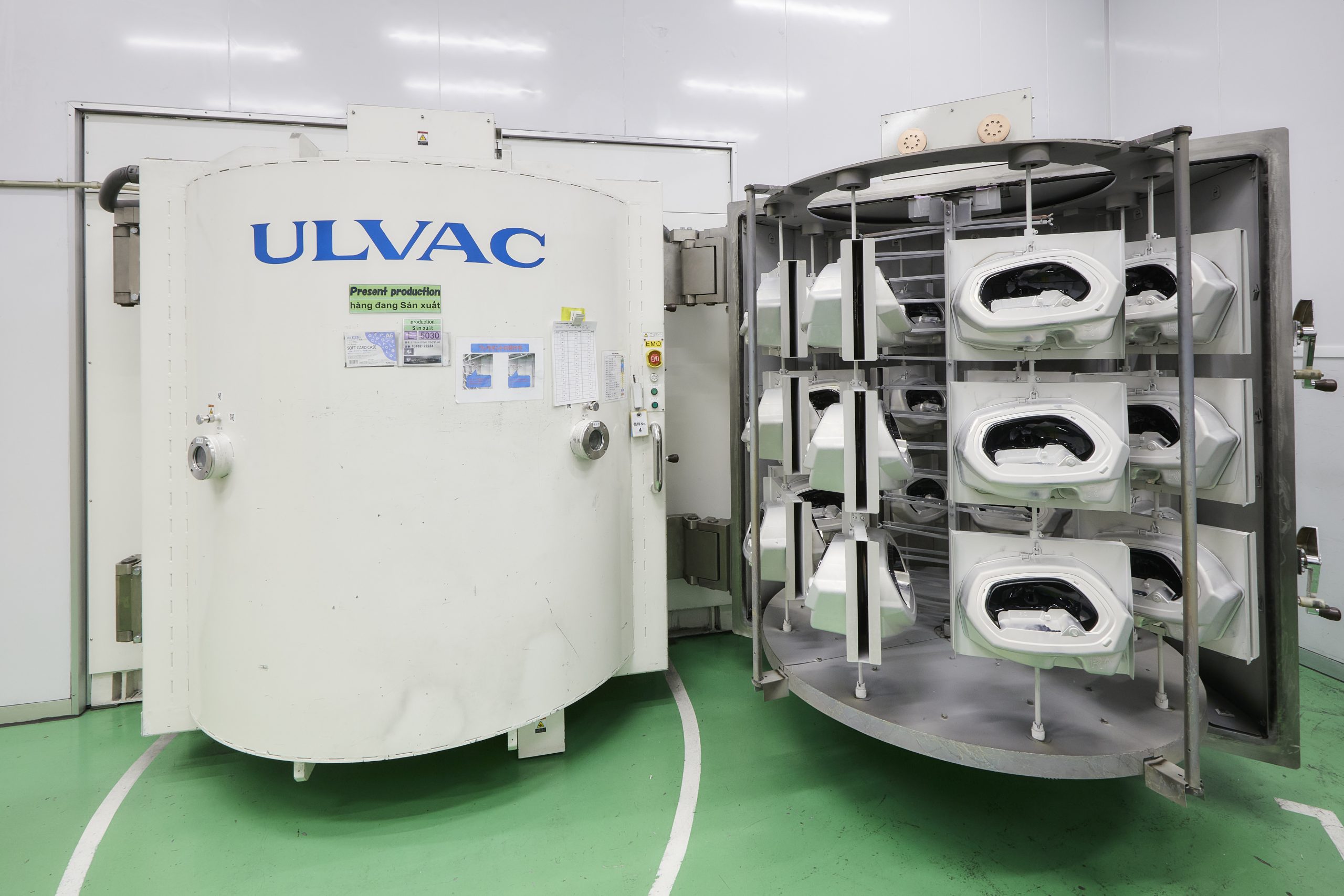
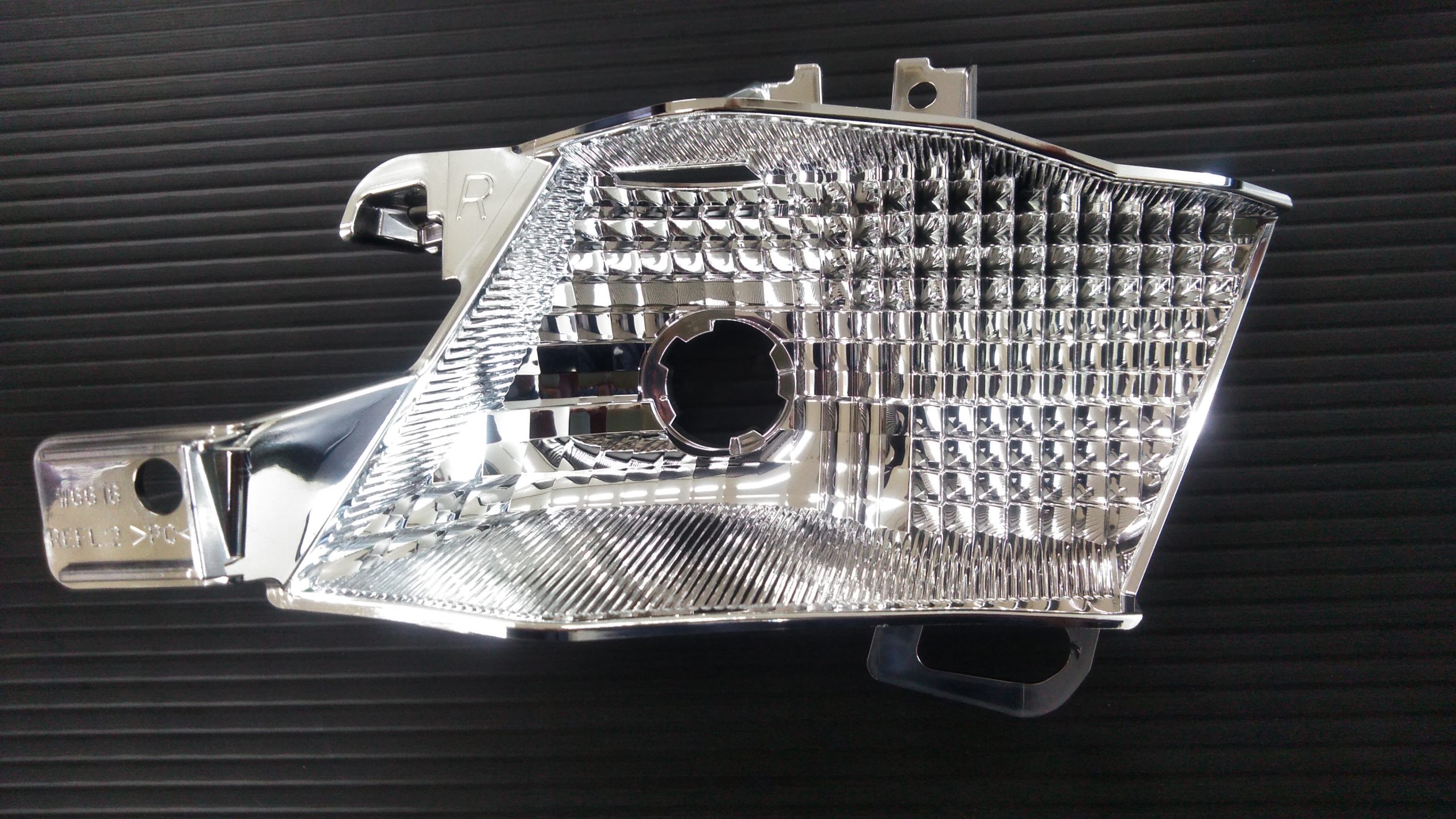
This is a processing technology where metal is evaporated in a vacuum and adhered to the surface of resin moulded products, etc., in a thin film. We primarily use aluminium.
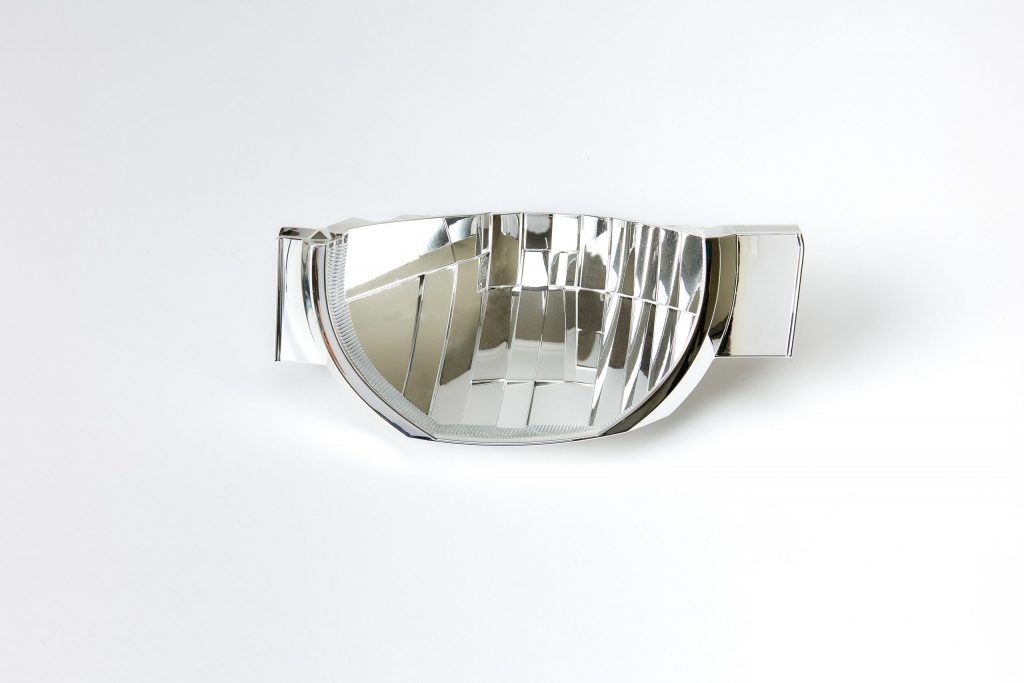
For Lighting Reflectors (Mirrors)
Used for film formation on reflectors (mirrors) in lighting equipment for automobiles, homes, and commercial spaces. In particular, multi-reflectors for automotive headlamps (which combine multiple reflective surfaces to control light distribution) are extremely critical components for ensuring driver visibility and protecting the safety of occupants, pedestrians, and oncoming vehicles. Therefore, highly advanced control is required not only for the film thickness of the metal thin film but also for the dimensional and shape accuracy of the resin moulded parts. We also have a track record of use in reflectors for surgical lighting.
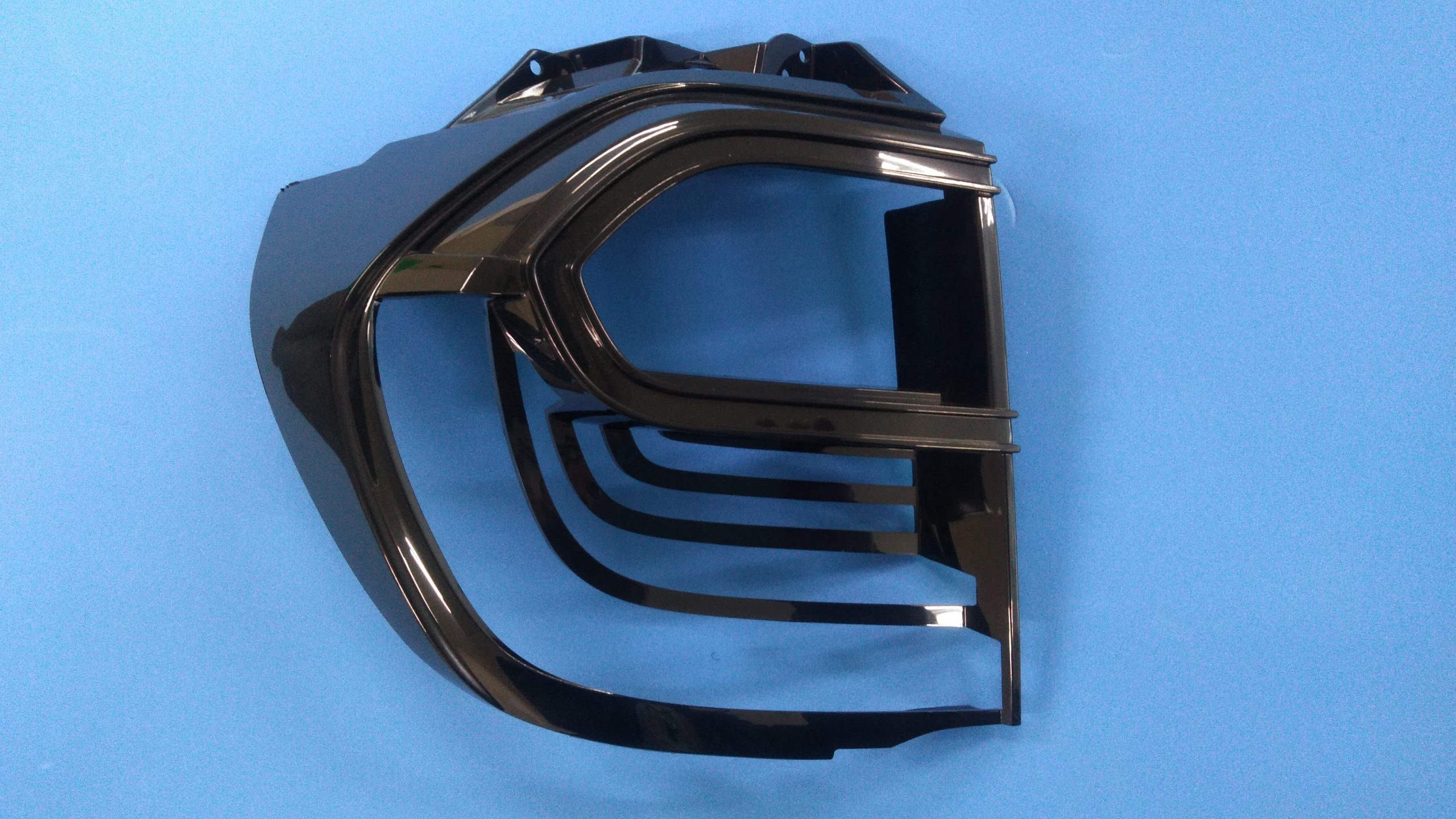
For Decorative Applications
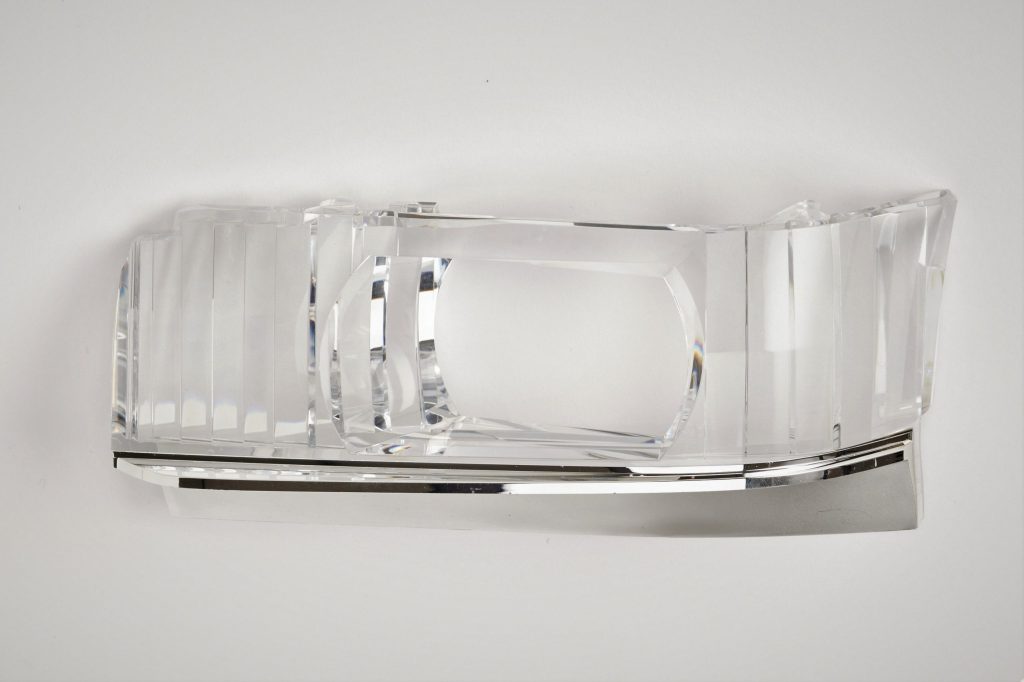
Utilising the brilliant texture unique to metals, these are used in decorative products with the aim of enhancing the design and creating a sense of luxury for automotive lamps, interior and exterior parts, home appliances, and more.
Nanbu Kasei Co., Ltd.'s
Vacuum Deposition & Sputtering Technology
Three Features
01
High Reflectivity and High Precision through Integrated Production
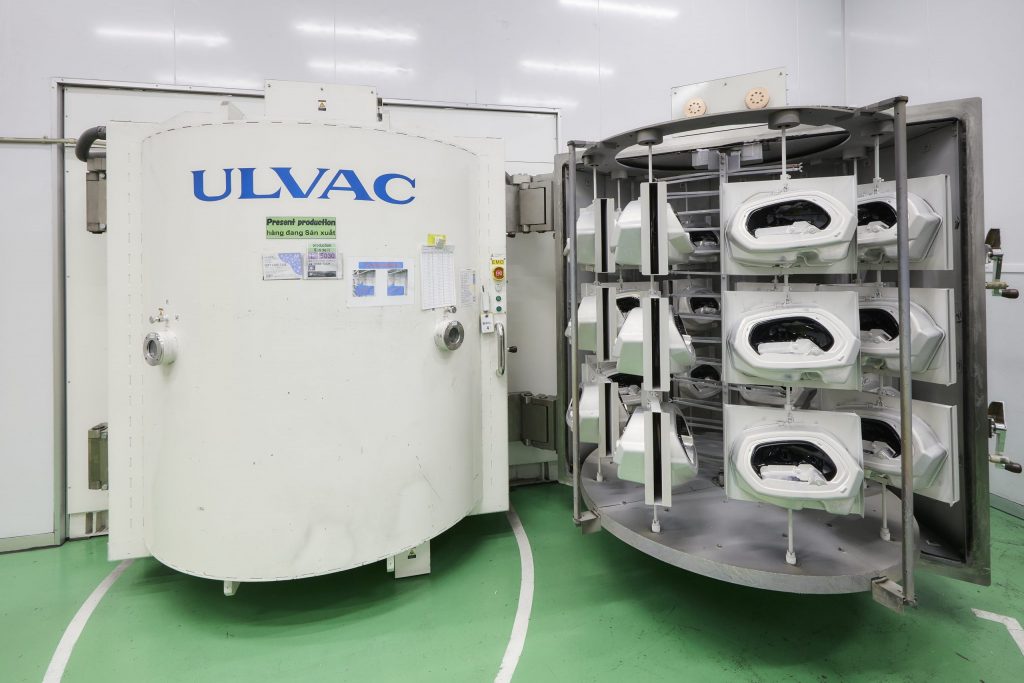
By developing dedicated jigs and optimising manufacturing conditions for metal thin film thickness control, as well as improving the surface roughness of resin moulded parts through mould polishing technology, achieving high precision mould processing, and optimising resin moulding conditions, we leverage our strength in integrated production to deliver high-performance reflectors with stable quality to our customers through a combination of advanced technologies.
02
Diverse Decorative Expressions
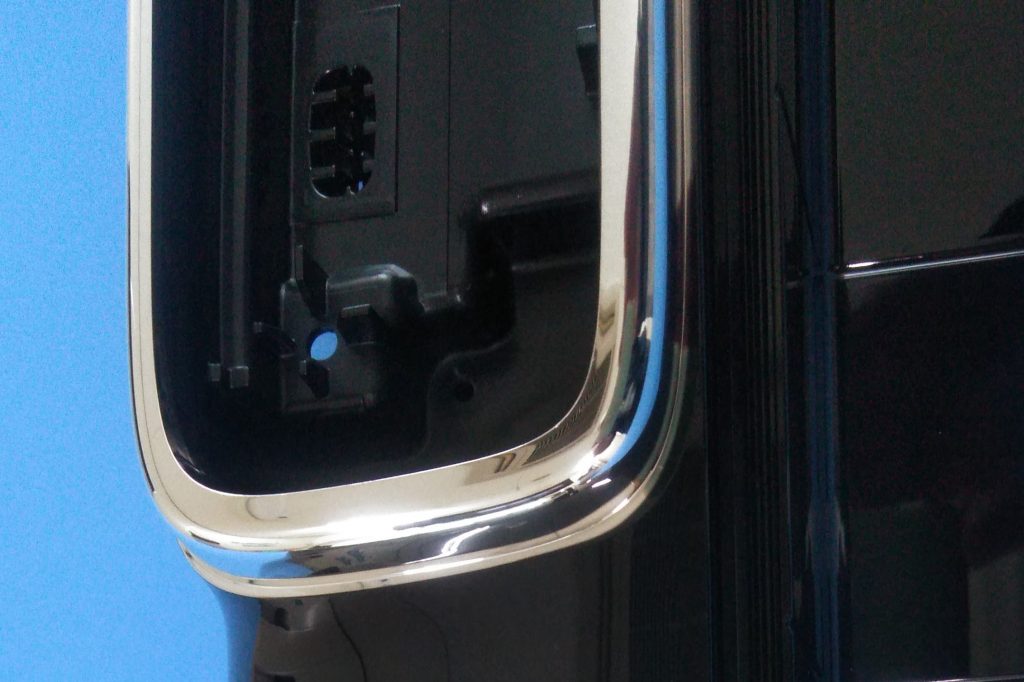
When used for decorative applications, various decorative expressions are possible depending on the metal deposited and the finish of the surface of the base resin moulded part. Furthermore, by leveraging the characteristics of synthetic resins, decoration is possible on products of various shapes. Partial decoration is also possible by applying masking during processing. It is also possible to apply a hard coat to protect the surface after film formation.
03
Stable Quality through Standardised Processes
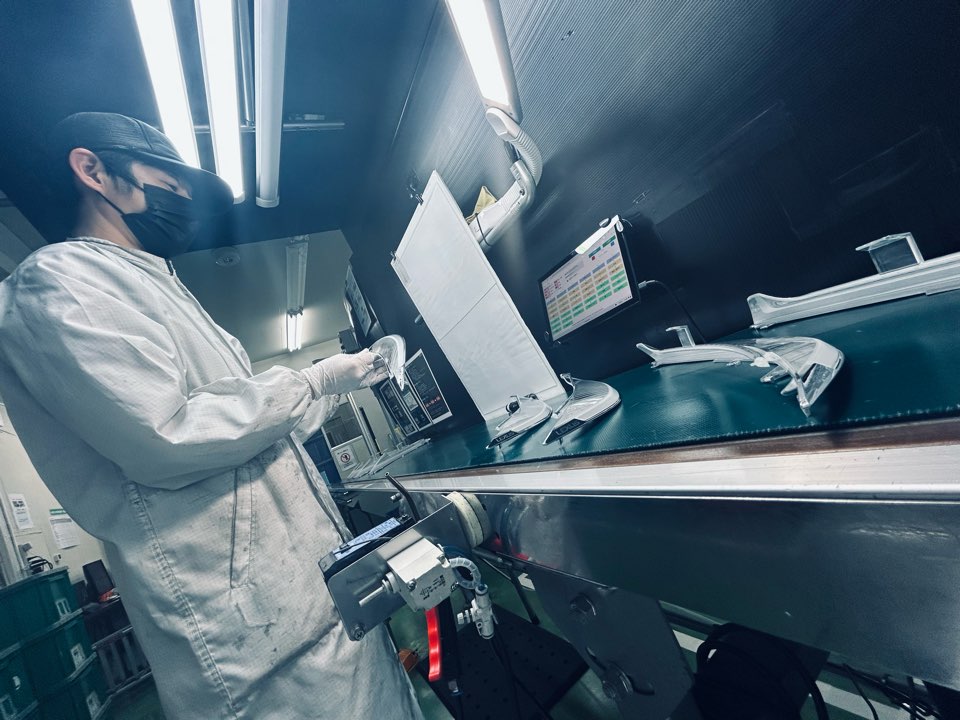
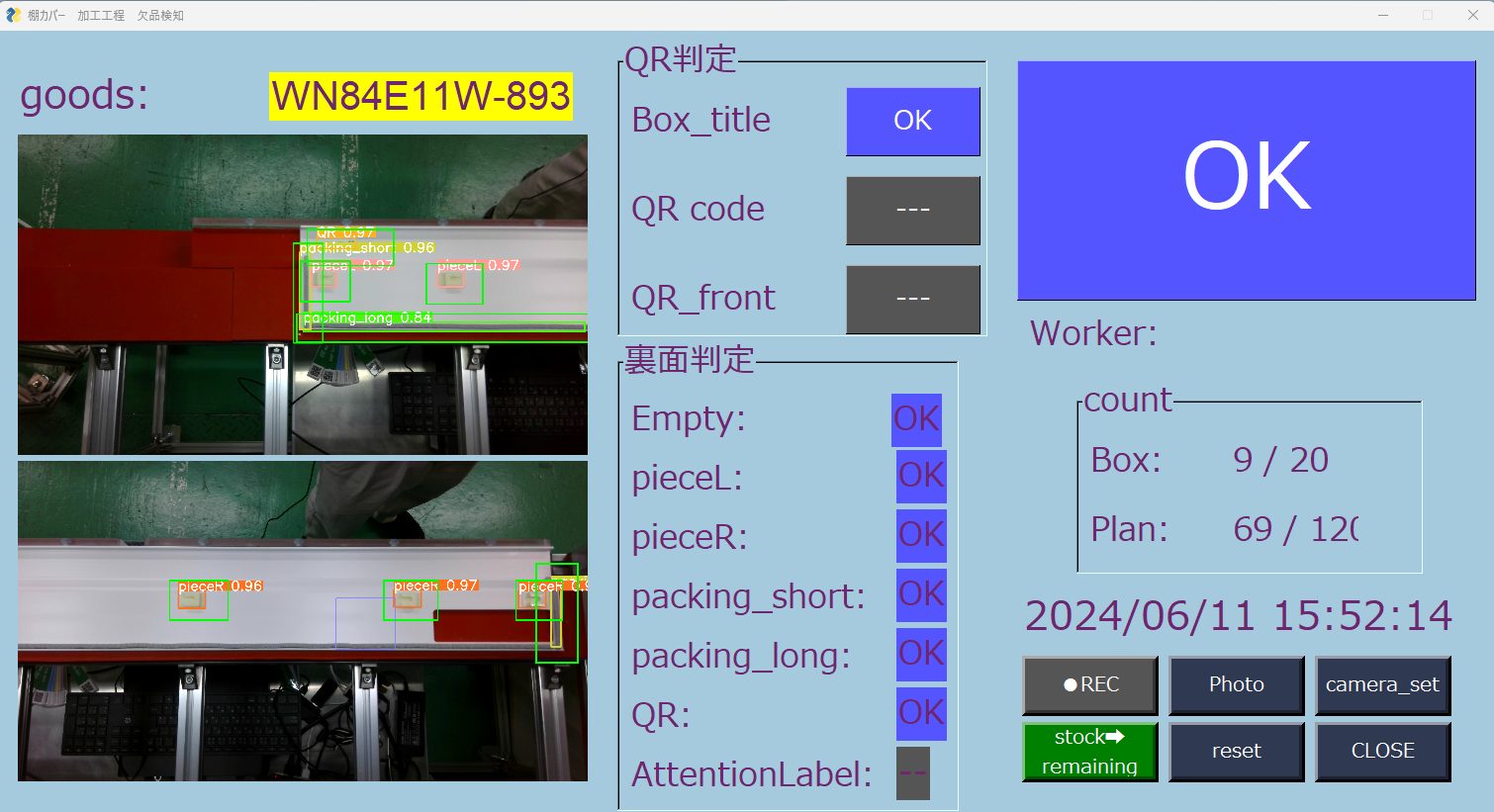
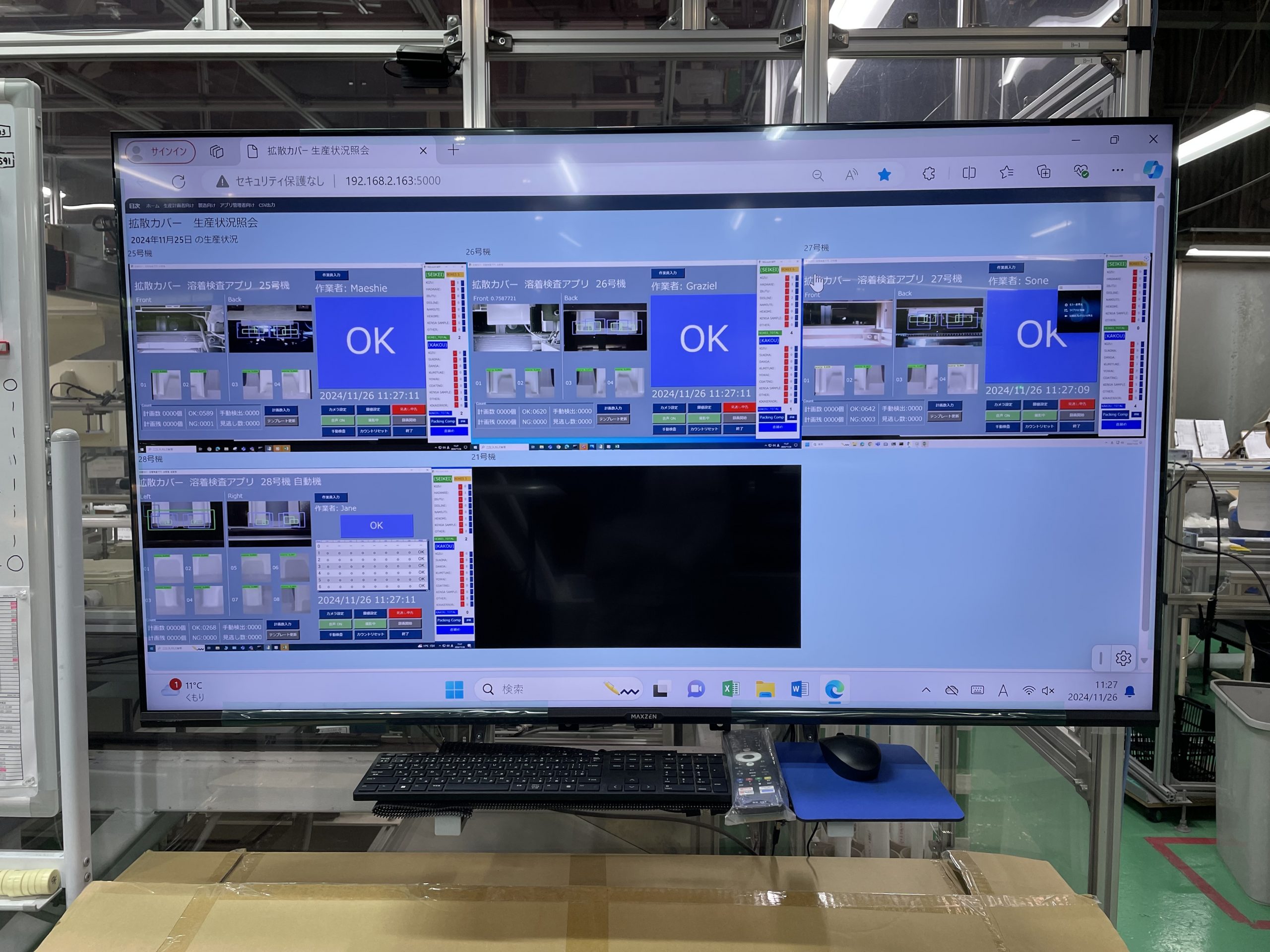
Vacuum deposition and sputtering processes, which are technologies for forming thin films, are extremely delicate methods whose quality can be affected by slight changes in the working environment, such as humidity and temperature. To ensure the stable quality required by our customers, we have introduced equipment with various sensors into our processes and are transitioning from traditional craftsmanship to standardised operations.
Examples of Nanbu Kasei Co., Ltd.'s
Vacuum Deposition & Sputtering Technology Applications
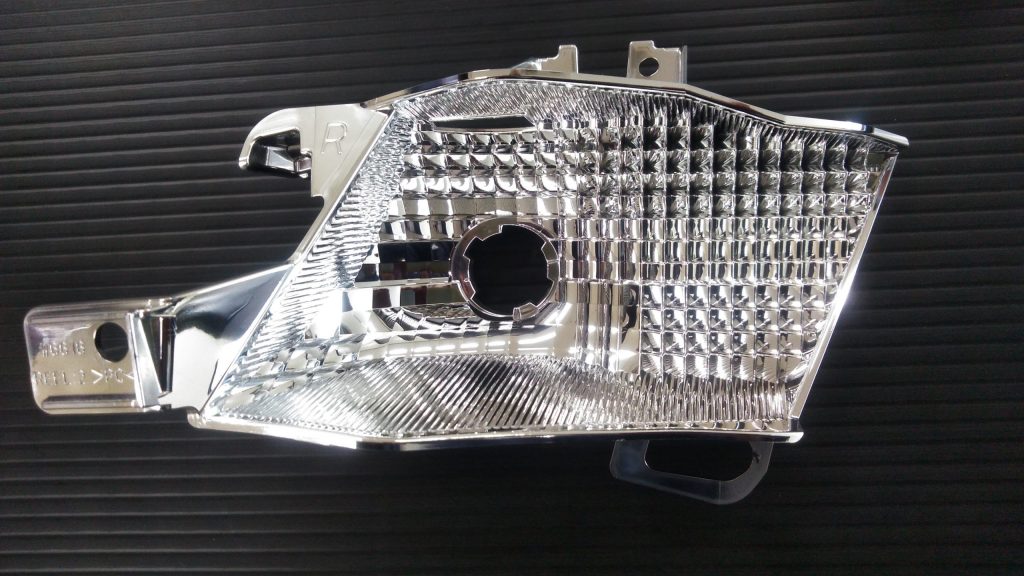
Improving reflector costs by leveraging our integrated production system
Previously, it was common to apply an undercoat (primer) to the base resin molded product as a pre-process for vacuum deposition and sputtering, but by combining our integrated production system and technology, we have eliminated the undercoat and improved reflector costs.
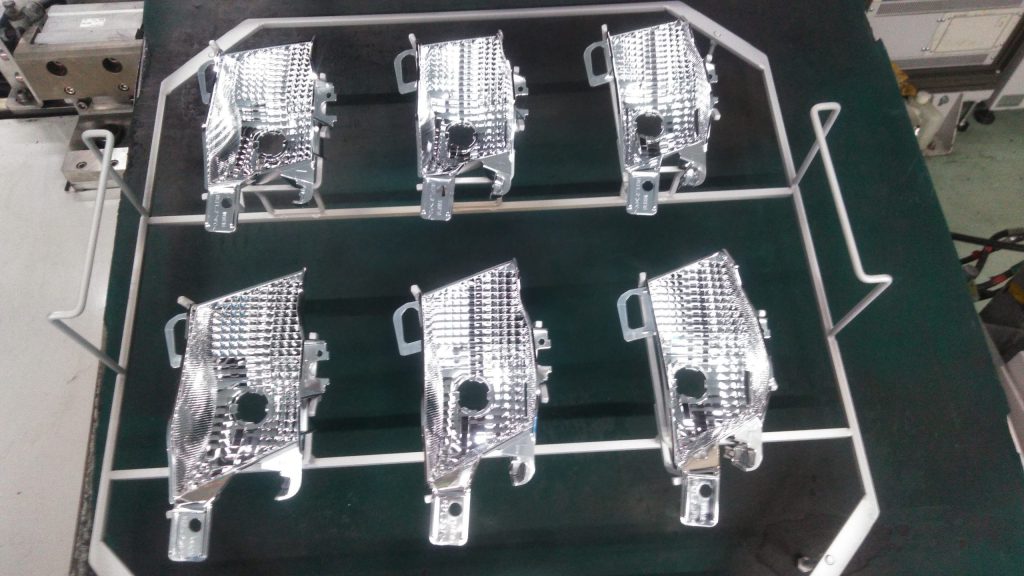
Introducing inline sputtering process to support a diverse range of products
In addition to the resistance heating vacuum deposition process, which is generally advantageous for mass production, we have introduced the inline sputtering process, which is easier to handle for small-lot production of diverse products and allows for fine control of film thickness, enabling us to support a wider variety of products.
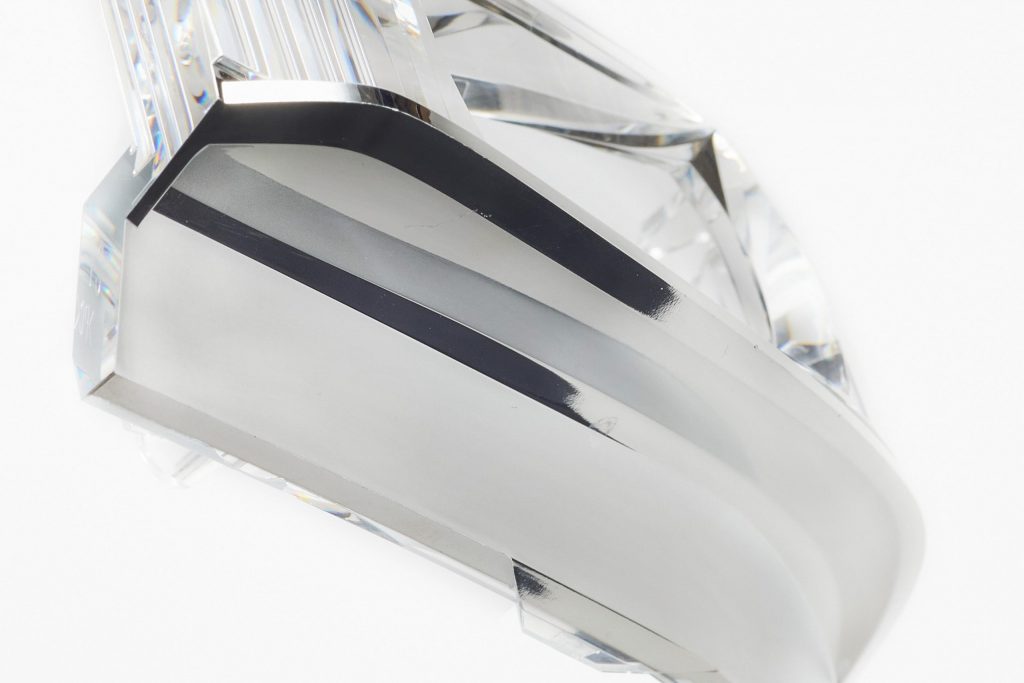
Reducing environmental impact as an alternative to plating decoration
By replacing plating decoration, which still has challenges such as wastewater treatment, with vacuum deposition and sputtering decoration, we can reduce the environmental impact.
Frequently Asked Questions
Q
What types of resins can be processed?
A
We have experience processing a wide variety of resins.
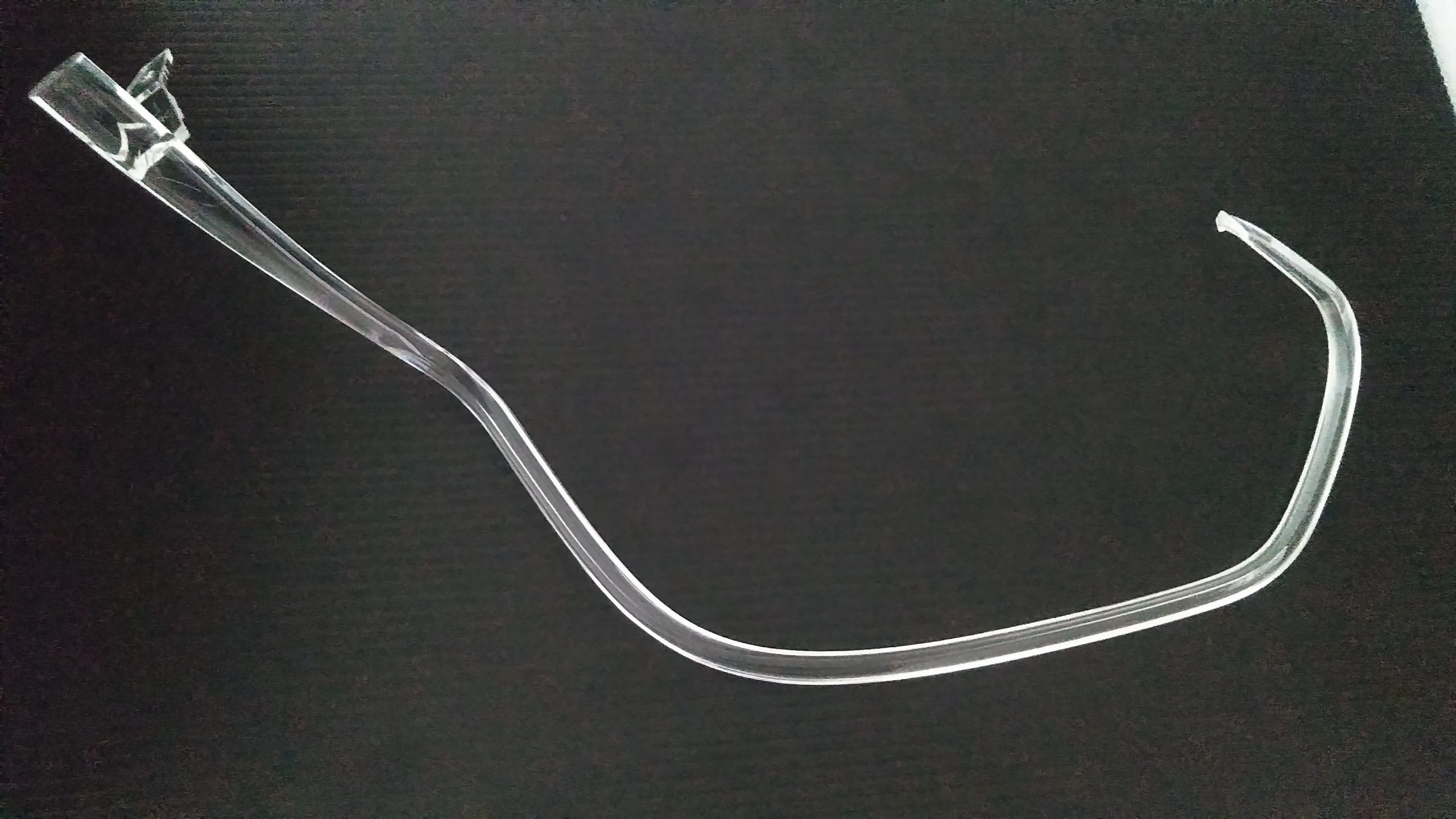
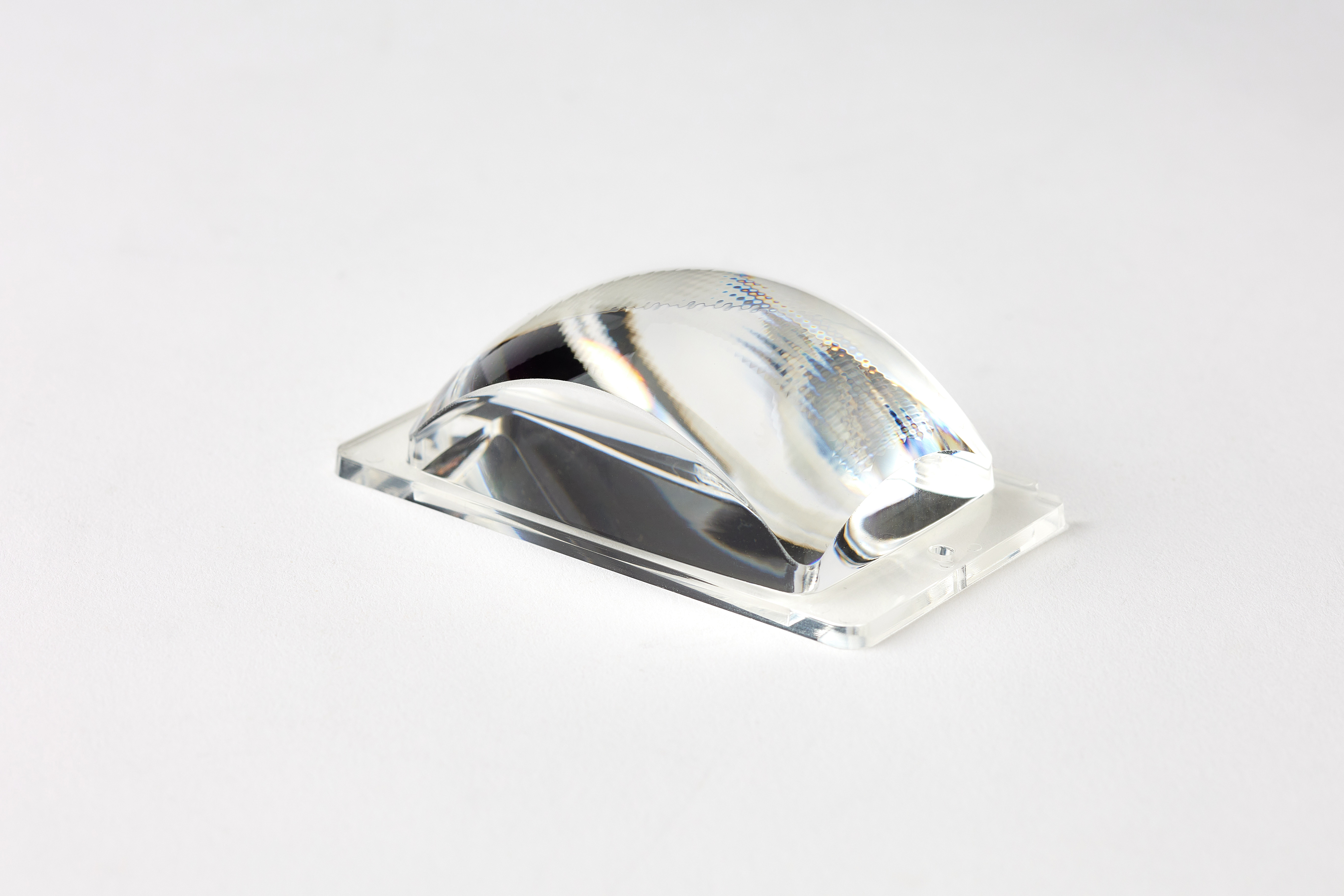
We have experience processing thermoplastic resins such as PC and AAS, and thermosetting resins such as UP (unsaturated polyester resin)-BMC. We also have experience processing transparent lens products.
Q
Are there any applications other than reflectors and decorative finishes?
A
There are many applications.
New applications are continuously being developed, such as optical applications like AR (Anti-Reflection) coatings and mirror (anti-reflection) coatings, as well as functional applications like water-repellent/dirt-repellent coatings and electromagnetic wave shielding.