Technical Information Technical information

Promoting DX (Digital Transformation) Technical Detail
We are promoting DX (Digital Transformation) in our product manufacturing processes.
In particular, the automation initiative combining image recognition and AI (Artificial Intelligence) is rapidly advancing in the inspection process for products that have relied on "human eyes" and "human hands" for many years.
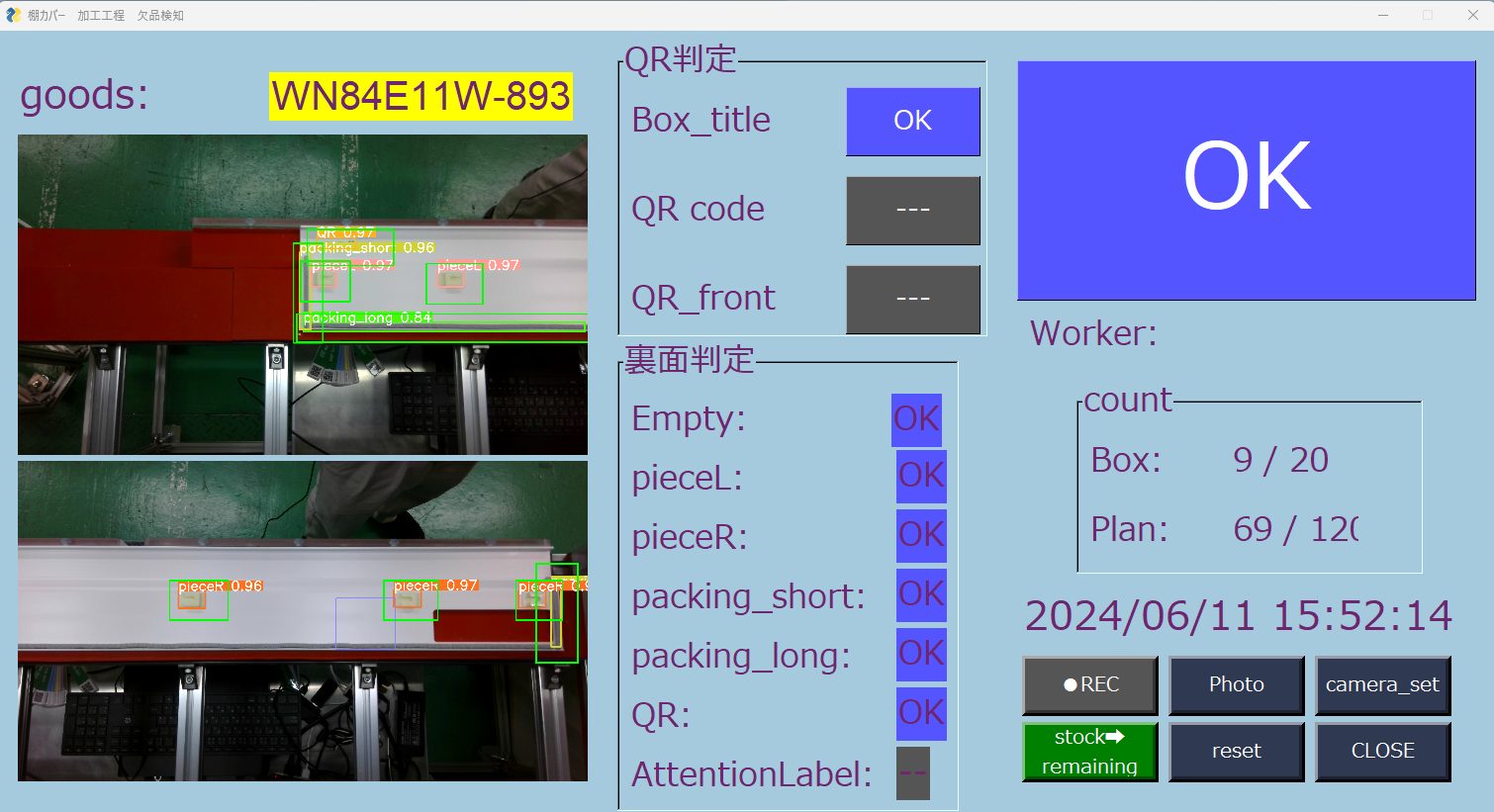
Automated inspection app for secondary processed products
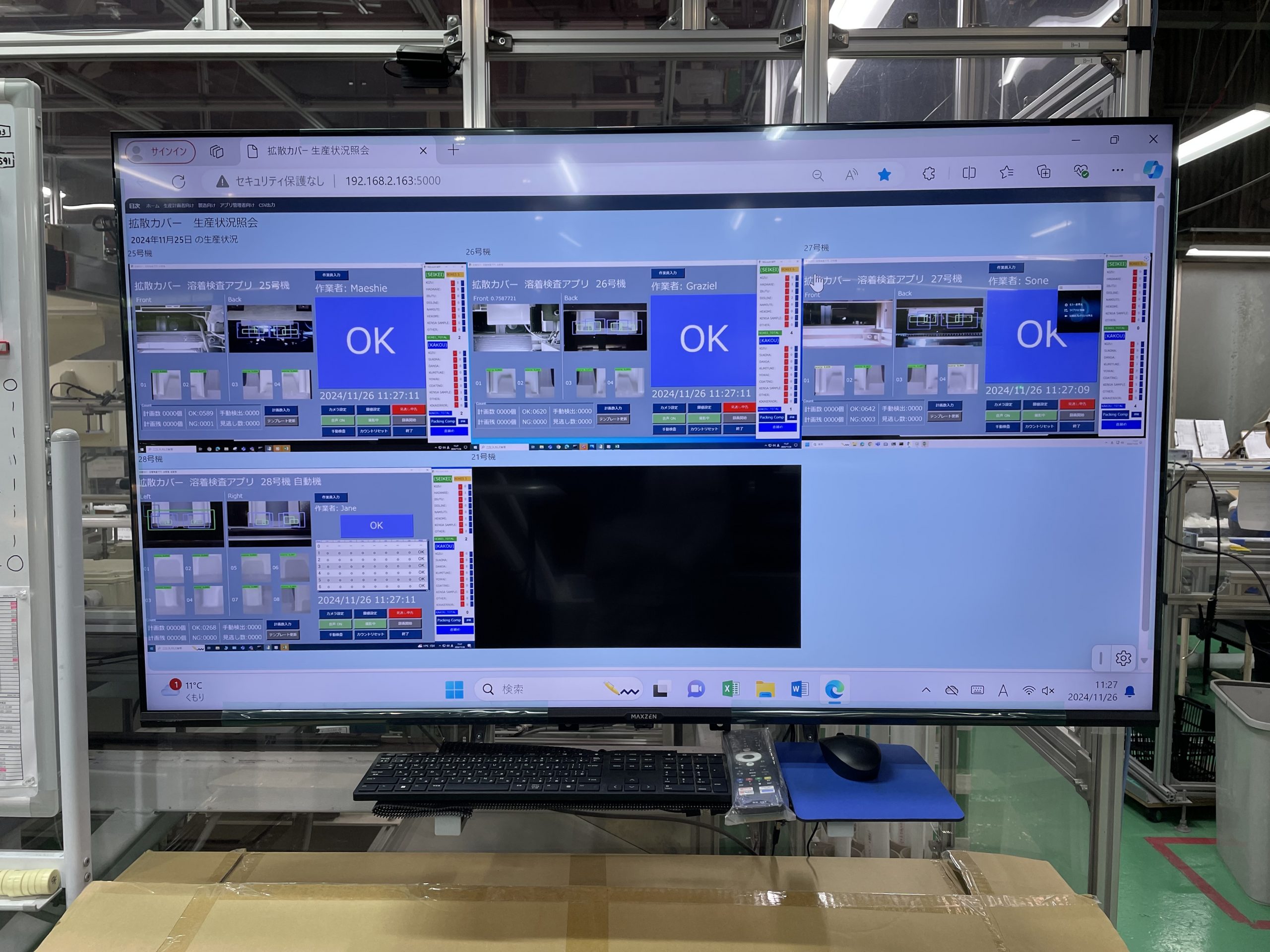
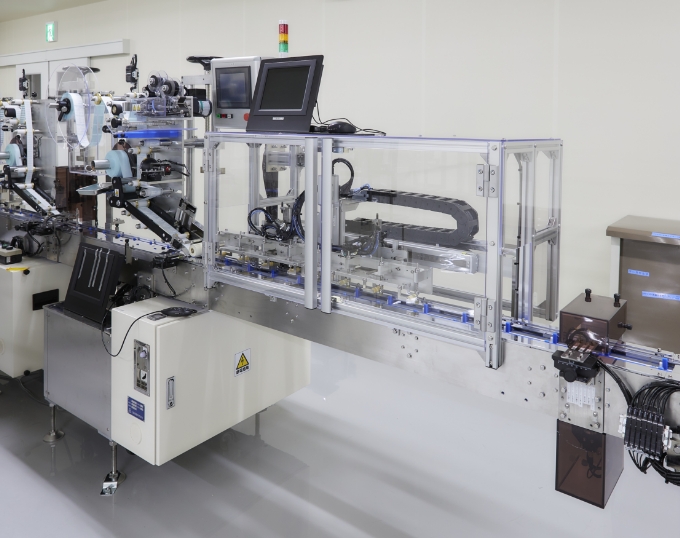
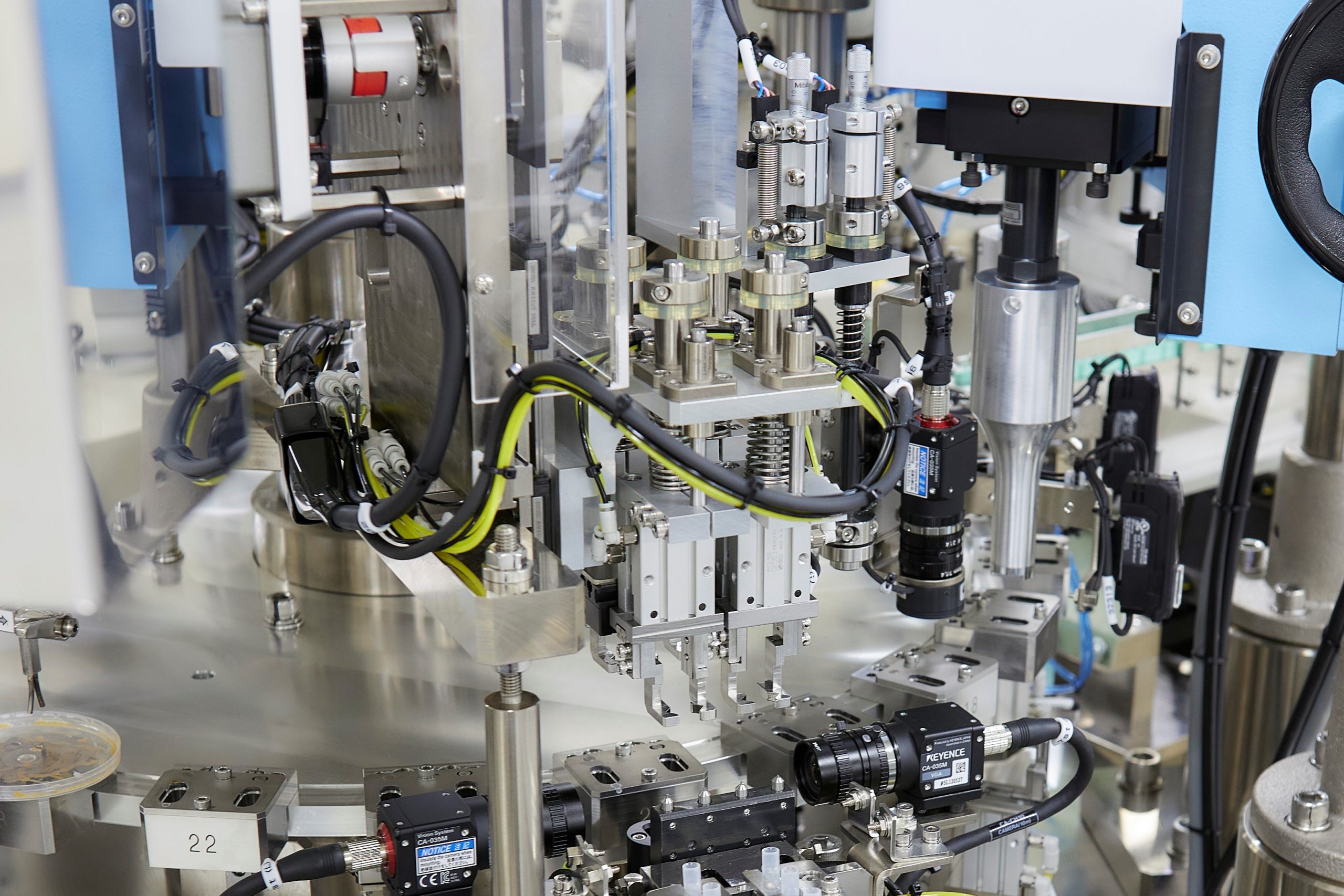
We have developed an app that uses a combination of image recognition and AI to automatically detect defects such as forgotten processing or incorrect assembly in the inspection process for products that undergo secondary processing such as attaching QR labels, packing, and caution labels to resin molded products, or welding parts. This app is used to prevent defective products from flowing to the next process.
Nambu Kasei Co., Ltd.'s
DX (Digital Transformation) Promotion
Two Features
01
Image recording during product inspection using an image recognition camera
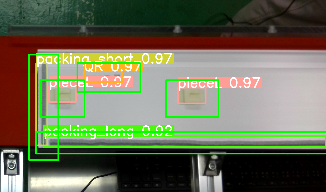
Using an image recognition camera, we record images during the inspection of products after secondary processing. By comparing the information from the QR code attached to the product with the image recording data, we can also trace back and visually confirm the processing status of the product at the time of manufacturing.
02
Defect judgment and detection by AI
Labels attached to products and welded parts have specified assembly directions. The AI adopted by our company can determine these directions, allowing us to judge and detect defects such as incorrect application or welding errors.
Case studies of Nambu Kasei Co., Ltd.'s
DX (Digital Transformation) Promotion
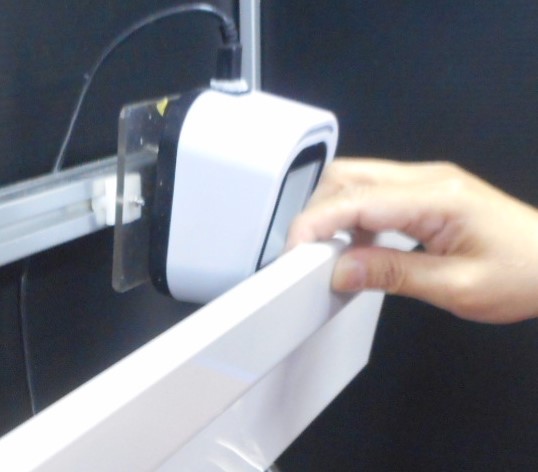
Traceability ensured by QR code labels
With QR code labels attached to products, information such as the date and time of processing for that product can be instantly identified, ensuring traceability.
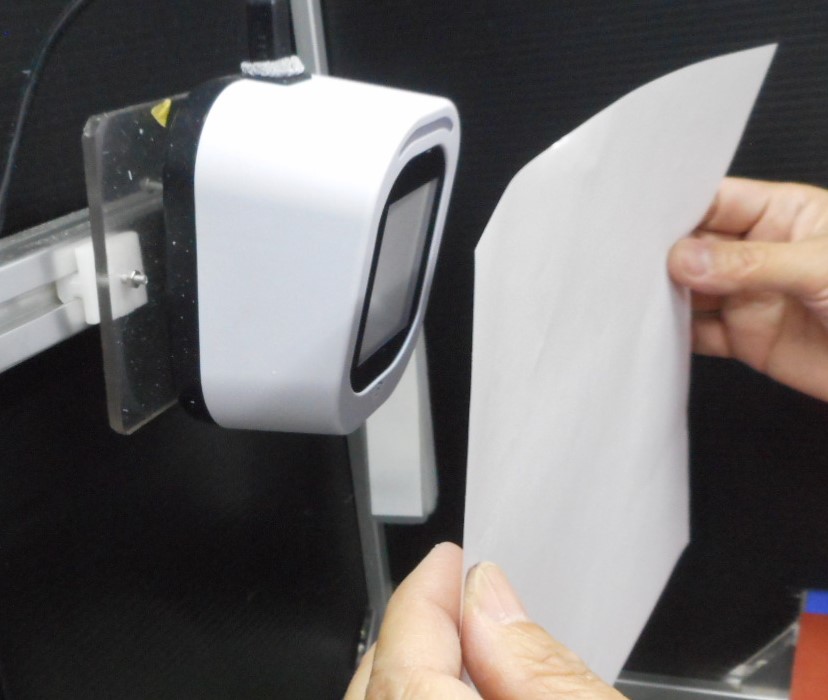
Preventing incorrect items through QR code verification
We print information such as product numbers as QR codes on the labels attached to the product itself, the detail labels attached to the packing box, and the production instructions. By reading and verifying these during work, we prevent the shipment of incorrect items.